
Digital PR stopped being just about awareness a long time ago. The brands getting the most from it aren’t just tracking where they’re covered, they’re tracking what that coverage actually sets in motion.
For years, PR has had a measurement problem.
A brand secures a feature in a well-known publication, the article gets shared internally, screenshots find their way into sales decks, and everyone agrees it was a success. But when someone asks, “What did this actually do for the business?” The answer is often less clear.
This is where many companies become frustrated with PR. Not because coverage lacks value, but because the way success has traditionally been measured rarely connects to business outcomes.
The reality is that digital PR has evolved. It no longer exists solely to generate awareness or secure media mentions. When executed strategically, it influences search visibility, website traffic, brand trust, lead generation, and ultimately revenue. The challenge is knowing where to look and what to measure.
The Problem with Traditional PR Metrics
Many of the metrics historically associated with PR were created before businesses had access to the data available today.
Advertising Value Equivalence (AVE) is perhaps the most famous example. The idea is simple: estimate what a piece of editorial coverage would have cost if it had been purchased as advertising space. While the calculation may look impressive in a report, it says very little about actual business impact.
Similarly, metrics such as circulation numbers, estimated readership, and media impressions can create the appearance of success without proving that anyone engaged with the brand.
A publication may have millions of monthly readers, but if the article generates no meaningful traffic, no search visibility improvements, and no customer interest, its practical value remains limited.
That doesn’t mean visibility isn’t important. It simply means visibility alone is not enough.
What Actually Matters
The most valuable digital PR campaigns influence measurable business outcomes.
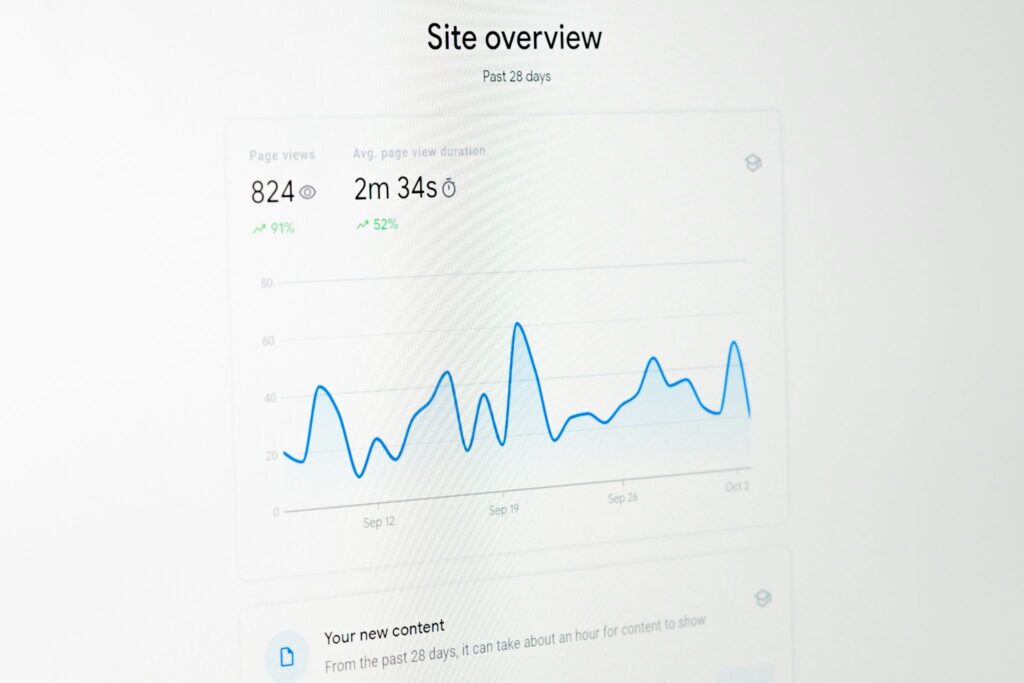
One of the first places to look is referral traffic. When a publication includes a link back to your website, you can see how many visitors arrive directly from that article. This provides a clear indication of whether readers were interested enough to learn more about your business.
However, referral traffic only tells part of the story.
Many people discover a company through media coverage but do not visit immediately — they may search for the brand days or weeks later. They may encounter the company again through search results, social media, or a recommendation from a colleague, before eventually becoming a customer.
This is why branded search growth often becomes one of the most revealing indicators of PR performance.
When people begin searching for your company name more frequently after significant coverage, it suggests awareness is translating into genuine interest.
Organic search visibility is another area that deserves attention. High-quality media placements often generate authoritative backlinks. Over time, these links can strengthen a website’s ability to rank for important commercial keywords.
Unlike paid advertising, where visibility disappears when spending stops, these gains can continue generating value long after the original article was published.
How Digital PR Influences Search Performance
One of the biggest misconceptions about digital PR is that its impact is immediate.
In reality, some of the most valuable outcomes take time to appear.
A strong media placement may generate a spike in referral traffic during the first week. But its influence on search performance often develops gradually over several months.
When reputable publications link to a website, search engines gain additional signals about the site’s credibility and authority. While no single article will transform rankings overnight, consistent coverage across respected publications can contribute to meaningful organic growth.
This is why companies investing in digital PR often notice improvements beyond the pages directly linked in media coverage.
Keyword rankings improve. Organic traffic increases. New pages begin appearing in search results. Lead generation from organic channels grows.
The coverage itself is only part of the story. The long-term search impact is often where the greatest value is created.
Looking Beyond Traffic
Traffic is useful, but traffic alone is not the goal.
A thousand visitors who immediately leave the site are far less valuable than fifty visitors who request a demo, subscribe to a newsletter, or become customers.
This is where conversion metrics become important.
When evaluating digital PR performance, pay attention to what visitors actually do after arriving.
Do they explore multiple pages? Do they spend time reading content? Do they subscribe? Do they book calls? Do they request pricing information?
These actions provide stronger evidence of business impact than raw visitor numbers.
In many cases, PR-driven visitors convert at higher rates than visitors from other channels because they arrive with a level of trust already established by the publication that introduced them to the brand.
A Practical Approach to Measurement
The most effective measurement systems are often the simplest.
Start by tracking referral traffic from media placements. Monitor how many visitors each publication sends and what those visitors do once they arrive.
Watch for increases in branded search volume after major coverage campaigns.
Monitor changes in organic traffic and keyword rankings over time, particularly for commercially relevant search terms.
Track lead generation and conversion activity from both referral and organic channels.
Most importantly, look for patterns rather than expecting every article to produce immediate results.
Digital PR is rarely about a single placement. Its value compounds over time. Multiple articles build credibility. Multiple backlinks strengthen authority. Multiple mentions increase familiarity.
Eventually, those signals begin influencing customer decisions in ways that are measurable.
Measuring the Full Value of Coverage
The companies that get the most from digital PR are usually the ones that stop treating media coverage as the final outcome.
Coverage is not the destination. It is the starting point.
A successful placement can improve visibility, strengthen trust, support search performance, attract qualified visitors, and contribute to conversions. But these outcomes only become visible when measurement extends beyond impressions and publication logos.
The question is no longer whether digital PR works — the more useful question is whether you’re measuring the right things.
When you shift the focus from coverage itself to the business outcomes that follow, the value of digital PR becomes much easier to see — and much easier to justify.